Technical Illustration

From Complexity to Clarity
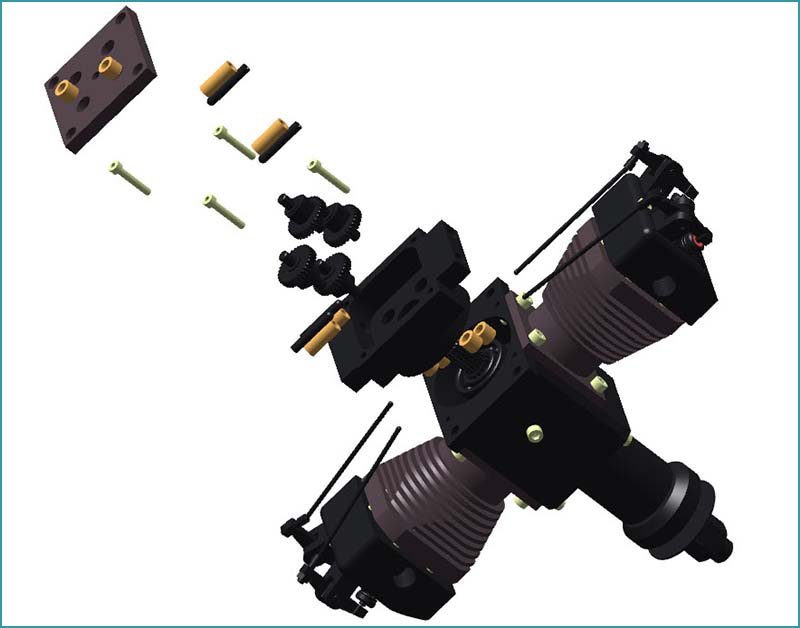
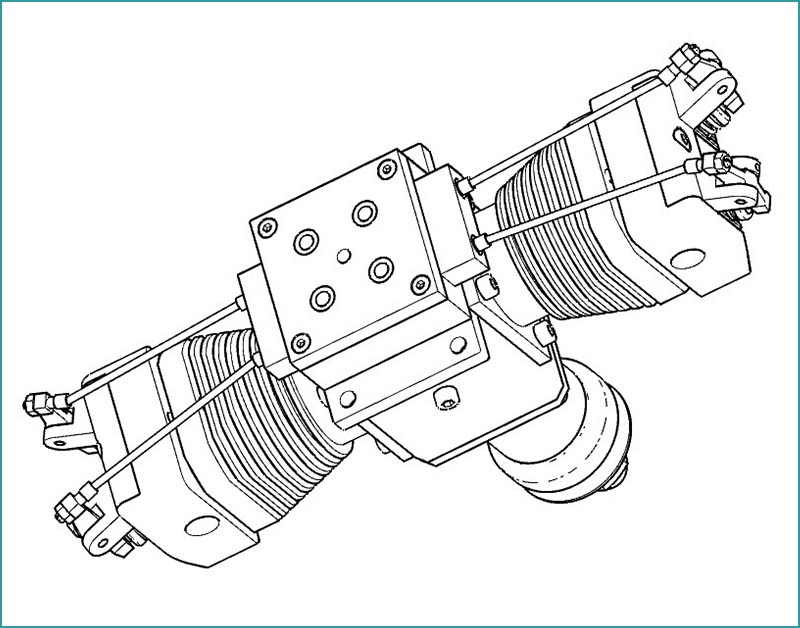
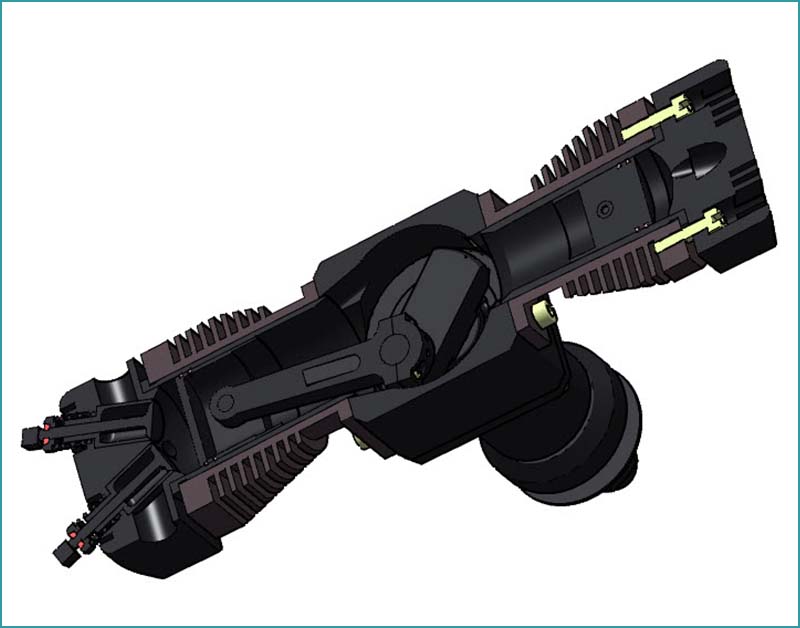
In mechanical engineering, technical illustration serves as a vital tool for visual communication. Its primary objective is to elucidate intricate technical concepts or products through graphical representations.
Technical illustrations find widespread application in technical documentation, for example spare parts catalogs, assembly instructions, operating and user manuals. They play a key role in furnishing users with clear guidance, aiding them in the proper handling and maintenance of products.
What You Should Know
To effectively communicate complex technical topics to service technicians or non-technical audiences, the accuracy of visual representations regarding dimensions and proportions is crucial. Only in this way can you offer a clear overall impression and enhance the viewer’s comprehension.
By using 3D CAD data, technical illustrations can be automatically created in a variety of representations to optimally convey the desired information. However, it is imperative that technical illustrators have direct access to the design files. With this accessibility, illustrations can be automatically updated as soon as changes are made to the CAD file, ensuring their accuracy and relevance.
While accuracy and clarity are foundational, it is equally crucial for technical illustrations to be aesthetically pleasing. Engaging visuals not only capture but also sustain the viewer’s attention, facilitating a more immersive learning experience.